The Craft
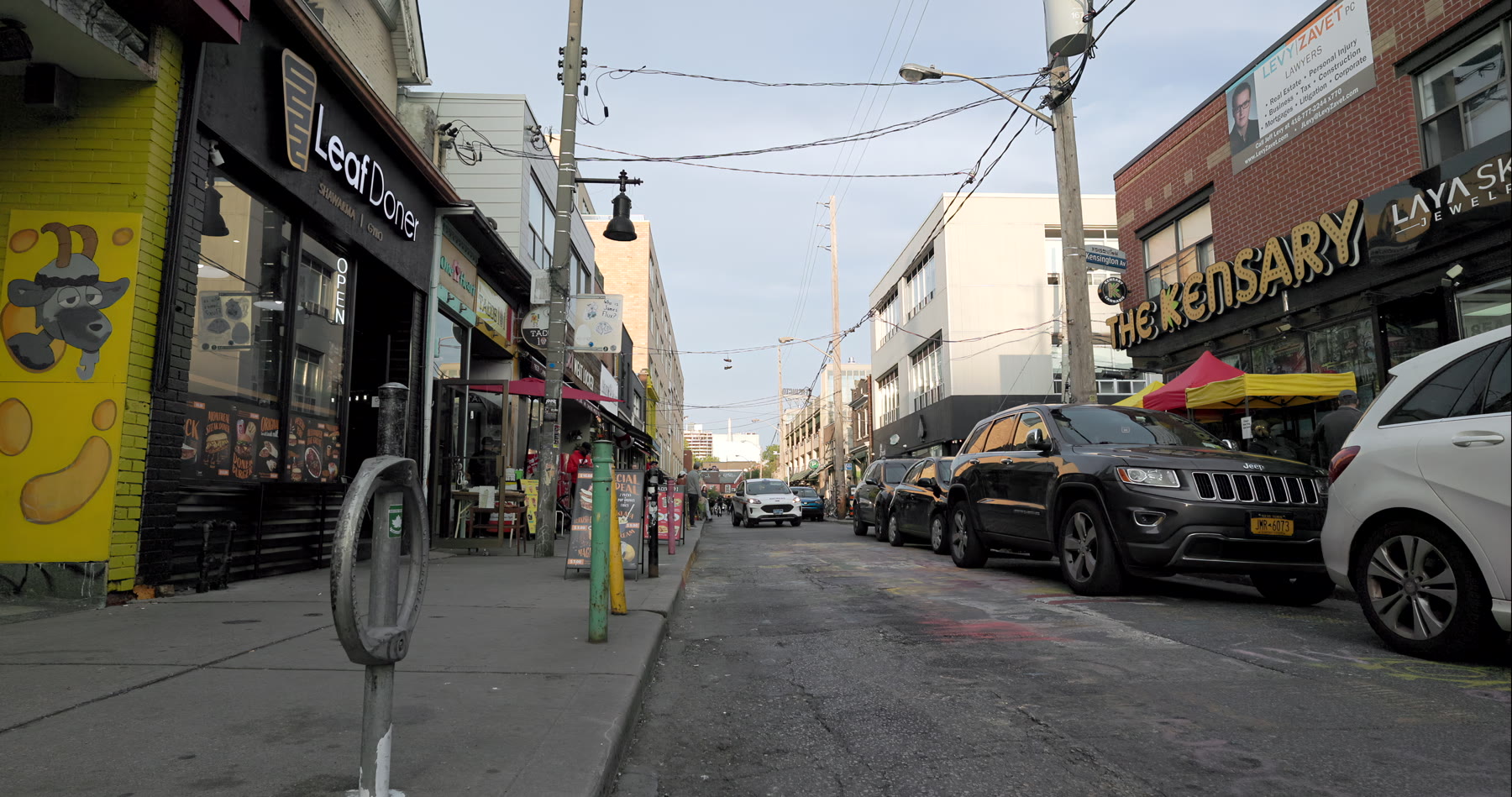
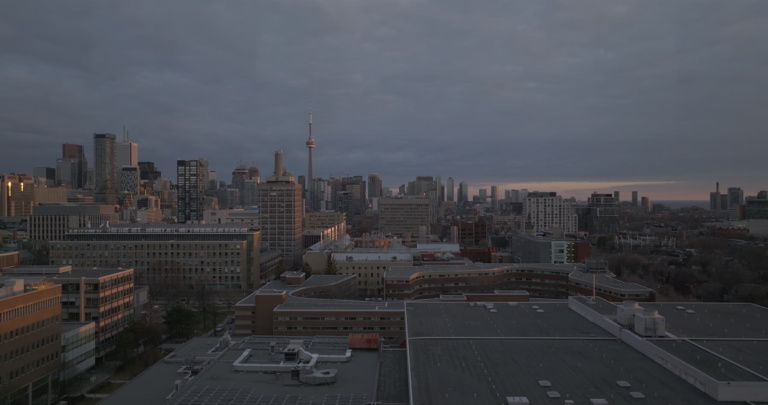
Long before he sold a single home, Stevie was out before dawn with a camera — Toronto’s laneways, the quiet hour when a street still belongs to no one.
Street photography and travel film were never a side note to the work; they were a different way of practising the same instinct. Years of framing a city teach you to notice what most people walk straight past: where the light falls at four in the afternoon, the line a room draws across a floor, the moment a place stops performing and shows you what it actually is.
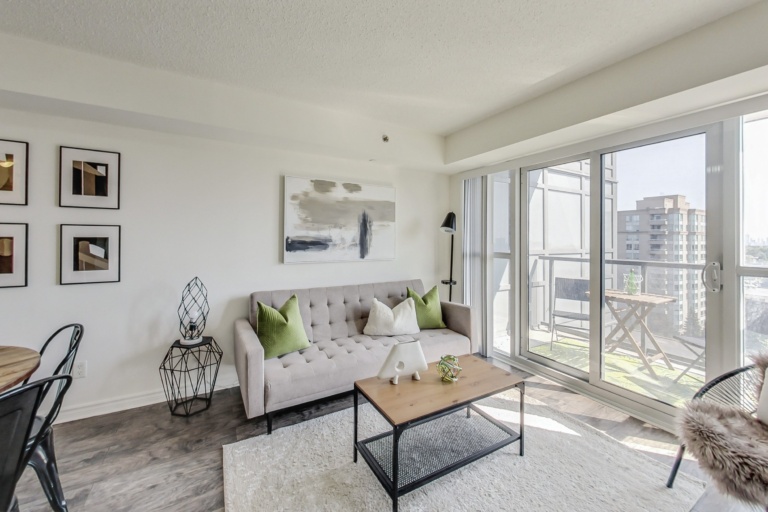
That eye comes back to the work. We don’t just list a home — we study how it’s seen. Which window carries the morning. Which angle tells the truth about a space and which one quietly flatters it. A home photographed with care isn’t dressed up; it’s understood. The difference is subtle, and buyers feel it before they can name it.
A good photograph and a good home keep the same secret: you don’t stage them, you wait for them to show you what they are.
It protects the people buying, too. We walk a place and read what a set of listing photos was angled to leave out — the low ceiling cropped just above the frame, the window that looks onto a wall, the room shot empty because furniture would give away its size. The camera can be honest or it can sell; we’ve spent enough years behind one to tell the difference.
It’s a quieter kind of expertise, and it rarely makes the brochure. But when a home is shown honestly, the right person tends to recognize it — and that recognition is most of the work.