Toronto & the GTA · thoughtful representation for buyers, sellers & rentersBook a consultation →
The Rental Wing · Landlords & Tenants

A wing, not a sidebar.

two doors, two journeys, one team

Renting in Toronto is its own discipline, so we treat it like its own practice. Landlords come to us to hand over a vacancy and get back peace of mind. Tenants come to find a home and have someone in their corner through a tough market. We run both sides of the deal — carefully, and without one ever feeling like an afterthought to the other.

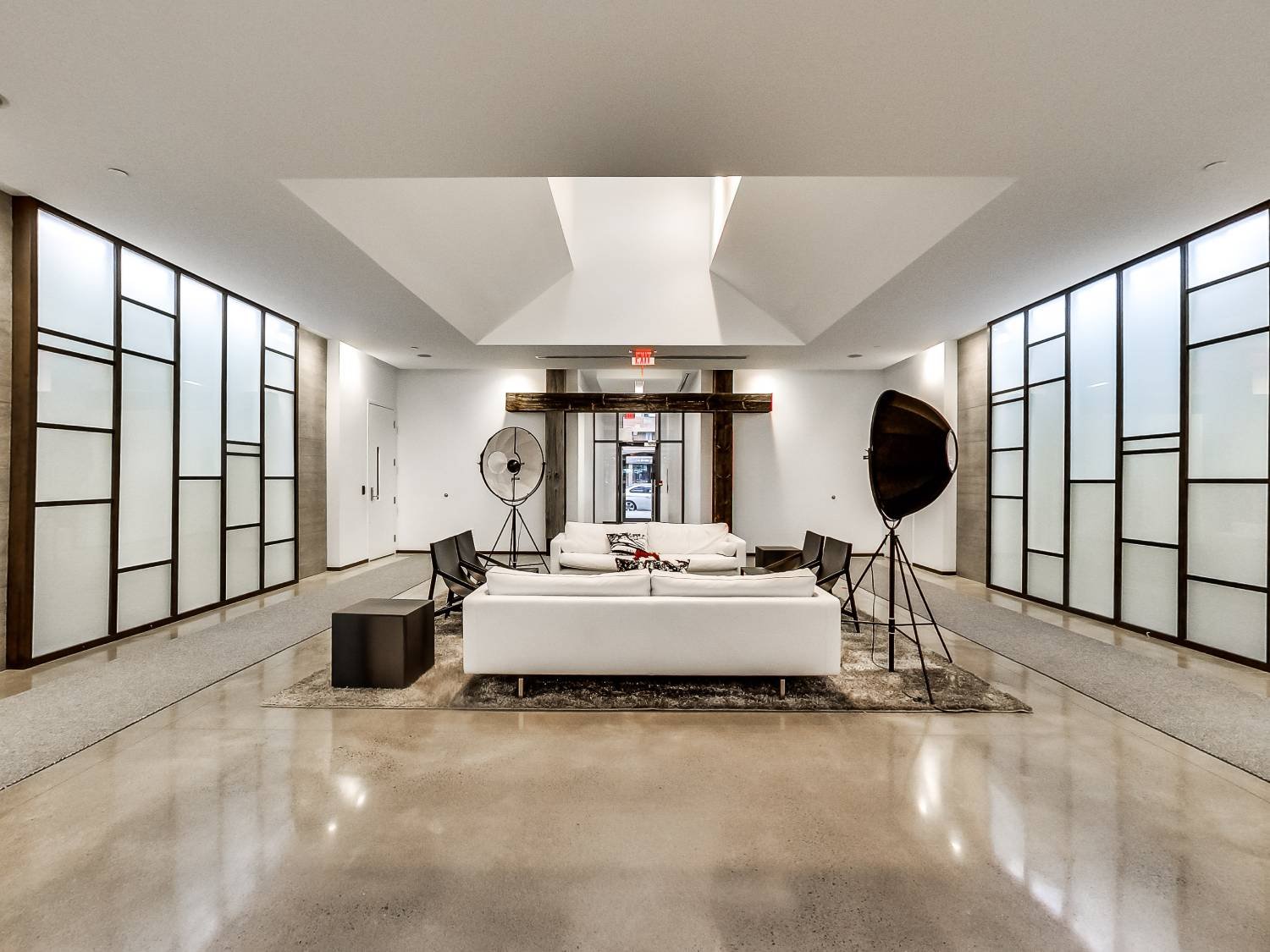
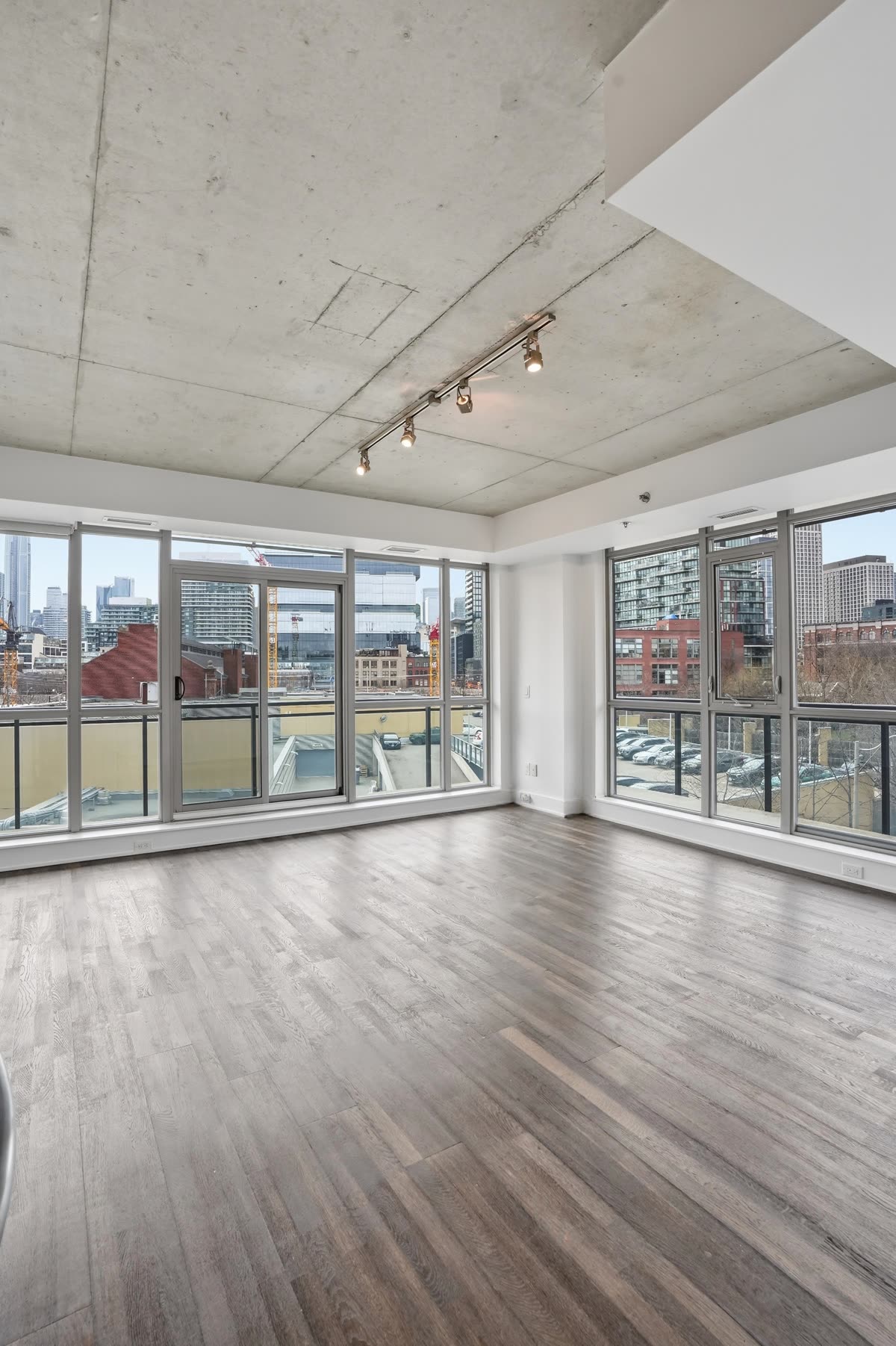
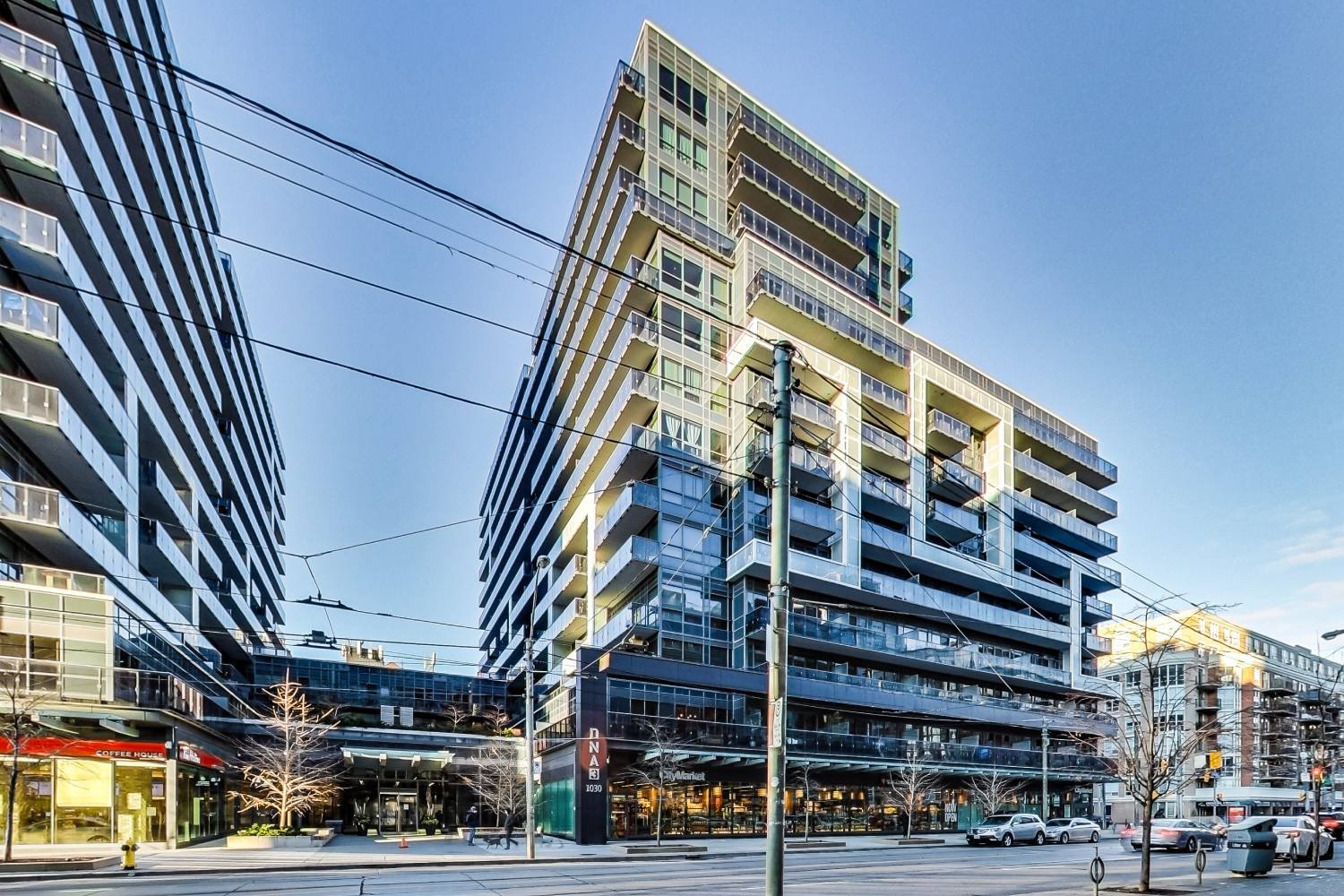
A downtown-Toronto, condo-first leasing practice — King West, CityPlace, the Entertainment District, Yonge corridor and the towers in between are the homes we know best.

Downtown Toronto condo living downtown · condo-first
Choose your door

Two doors. Two journeys.

Each side has its own people, its own playbook, and its own first step. Pick the one that's you — we'll meet you there.

A cinematic King West loft interior — work with us
For landlords & investors

Work With Us

hand us the vacancy, get back the certainty

You own a downtown condo — maybe you live far from it, maybe your time is worth more than the showings. We market it, screen properly, and close a lease that holds up to the RTA. Optional ongoing management if you'd rather never think about it again.

  • Free rent evaluation — what your unit actually leases for this week
  • Rigorous tenant screening: credit, income, references, history
  • OREA lease, LMR collected correctly, LTB paperwork handled
  • Built for condo owners — building rules, status, amenity coordination
King West condo — find your rental
For renters

Find Your Rental

someone in your corner for the Toronto fight

Downtown vacancy sits below 2% and good units go in days. We don't just send you links — we build you a winning application, run the showings, and represent you through to a signed lease. We teach you your rights so you walk in knowing the rules.

  • Search lease-only listings across the GTA — condos first
  • Get represented: a free tenant-agent intake, no cost to you
  • The winning-application checklist that lands units in a tight market
  • Know-your-rights guidance: rent cap, deposits, N-forms decoded
Why our rental practice

Built for downtown condos.

01

We run both sides

A leasing brokerage that happens to live inside our site. Whether you're handing over keys or looking for them, you get the same team that closes deals every week.

02

Condo-first, downtown-deep

We know the buildings — the elevator-booking, the move-in rules, what a status certificate means for a renter, which towers lease fast and which sit. That's the asset class we live in.

03

Compliant by default

OREA leases, LMR handled correctly, RTA-compliant from day one, and current on the 2026 rules — the 2.1% guideline, deposit limits, and the N-forms. No improvised paperwork.

The Lease Ledger

The rules, in plain English.

A clear-eyed reference for both sides of an Ontario residential tenancy — what the law expects of landlords, and what every tenant is entitled to. Open any row to read more.

For most private residential tenancies that began on or after April 30, 2018, Ontario law requires the Standard Form of Lease — the province's plain-language template that every written agreement must use. It sets out the parties, the rent, the term, and the rules in a consistent, enforceable format.

If a landlord doesn't provide it, a tenant can formally request one in writing; if it still isn't supplied within the timelines set by the Residential Tenancies Act, the tenant may have grounds to withhold a month's rent. We prepare every lease on the proper form so nothing about your agreement is ever in doubt.

For rent-controlled units, the province publishes an annual rent increase guideline — the maximum a landlord can raise rent in a year without applying to the Landlord and Tenant Board. An increase generally requires 90 days' written notice and can only happen once every 12 months.

  • The guideline is set each year and applies to most existing tenancies.
  • Units first occupied as a residential rental after November 15, 2018 are generally exempt from the guideline — increases on those units aren't capped by it, though notice rules still apply.

We always confirm a unit's control status before pricing, so owners and tenants both know exactly where they stand.

In Ontario, a landlord may collect a last month's rent (LMR) deposit — and no more than that as a rent deposit. The deposit can't exceed one month's rent (or one rental period's worth) and must be applied to the final month of the tenancy.

  • Damage deposits are not permitted in Ontario — a landlord cannot require money held against potential damage.
  • Interest is owed annually on the LMR deposit, typically at the rent-increase guideline rate.
  • A key deposit is allowed only if it's refundable and no more than the actual cost of the key.

We collect and document the LMR correctly so the tenancy starts on solid footing for everyone.

Good screening protects the asset without crossing the line. Landlords may reasonably request credit checks, references, rental history, and proof of income or employment to assess an applicant's ability to pay.

That assessment must stay inside the Ontario Human Rights Code, which prohibits refusing a tenant based on grounds such as race, family or marital status, age, disability, receipt of public assistance, and more. Income information can be considered, but it can't be used as a backdoor to discriminate. We screen thoroughly and fairly — strong applicants, clean process, defensible decisions.

The Landlord and Tenant Board (LTB) resolves disputes and oversees how tenancies end in Ontario. A tenancy doesn't simply expire — ending one requires the correct written notice on the proper form and proper service.

The Act provides a series of standardized N-forms for different situations — for example, a tenant's own notice to leave, or a landlord's notice for specified, lawful reasons — each with its own required notice period. A landlord can't lawfully evict on their own; only the LTB can order an eviction. We keep this high-level here and handle the paperwork properly when it's needed.

Hand us the vacancy and we run the whole arc — so you don't have to learn any of the above the hard way.

  • Pricing: a data-backed rent evaluation grounded in what comparable downtown units actually lease for this week.
  • Marketing: professional media and broad MLS-and-portal exposure to fill the unit quickly with the right pool.
  • Screening: credit, income, references and history — rigorous and Human Rights Code-compliant.
  • Lease execution: the Ontario Standard Lease prepared correctly, LMR collected, deposits and notices handled to the letter.
  • Ongoing: optional management for owners who'd rather never think about the unit again.

General information, not legal advice.

Proof & knowledge

The work, and the homework.

Recently leased · the proof

Every closed lease becomes proof.

Our curated leased portfolio is a record of the work, not the numbers — for every closed lease we show where we leased and who we represented: the landlords who trusted us to fill their unit, and the tenants we helped settle in.

View recently leased
Guides hub · the homework

The Toronto fight, explained.

A two-audience knowledge hub: landlord guides on pricing, screening and the LTB; tenant guides on the market, your rights, and how to win a unit in a sub-2% market. Free to read, always.

Browse the guides
Ready when you are

Which door is yours?

Tell us whether you're leasing out a unit or looking for one, and we'll take it from there — a free rent evaluation for owners, a no-cost intake for renters. Either way, you'll be talking to a real person who knows downtown.